Cam and Crankshaft sensors
What are Cam and Crankshaft Sensors?
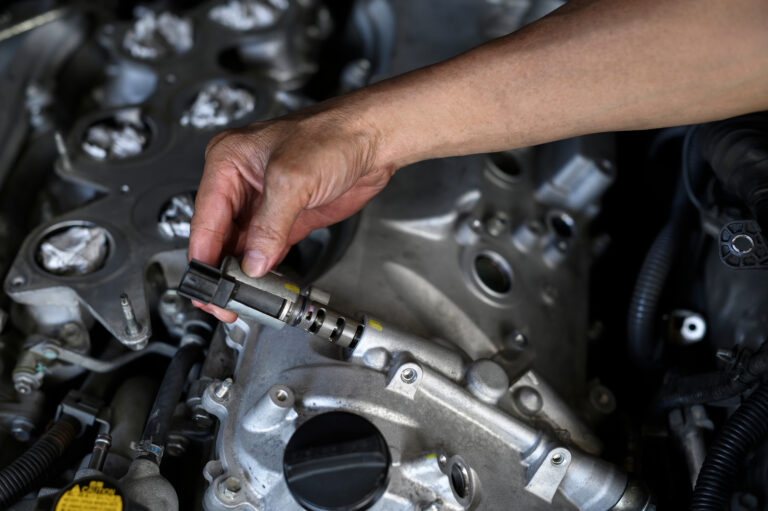
The Camshaft Sensor monitors the positions of the camshaft to allow for correct ignition timing. The Crankshaft Sensor detects the position of the crankshaft allowing the ECU to calculate its position in relation to the pistons in the engine.
There are two main types of sensor:
Inductive Sensor
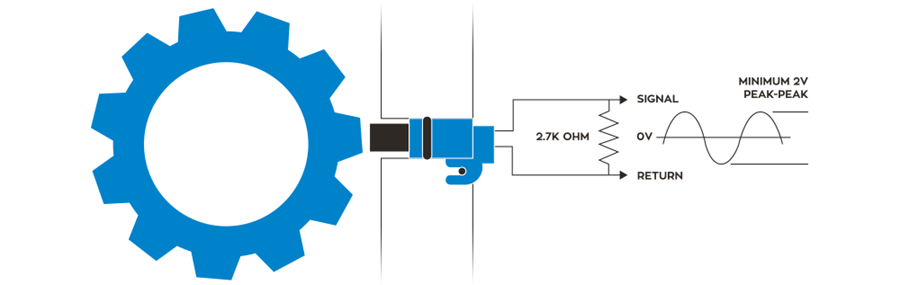
Inductive sensors use a magnet and coil to detect the teeth of the camshaft gear. As the teeth pass the magnetic field changes and the coil voltage is induced. This is output as a waveform signal (~AC voltage)
Hall Effect Sensor
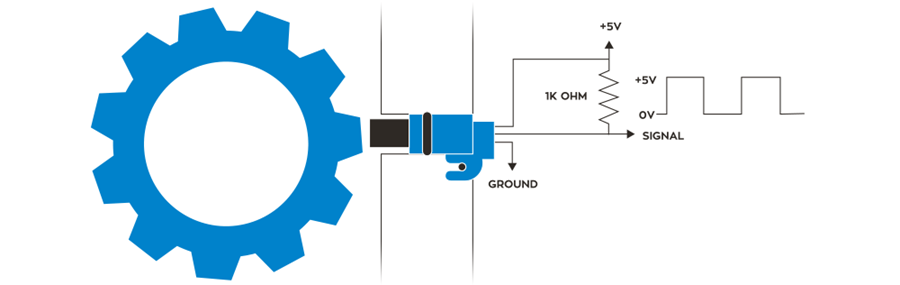
Hall effect sensors do not use a coil and instead of an analogue AC signal they create a digital signal. Either on or off, as the teeth pass the sensor.
| Symptoms of failure
Engine misfiring | Causes for failure
Contamination from oil leaks |
| Common Fault Codes (DTCs) | |
| Camshaft Sensor
· P0020 “A” Camshaft Position Camshaft Position | Crankshaft Sensor
· P0016 |
General Fitting Advice
STEP 1:
Camshaft sensor failure is commonly caused by damage from oil contamination. Ensure any oil leaks are addressed before replacing the sensor.
STEP 2:
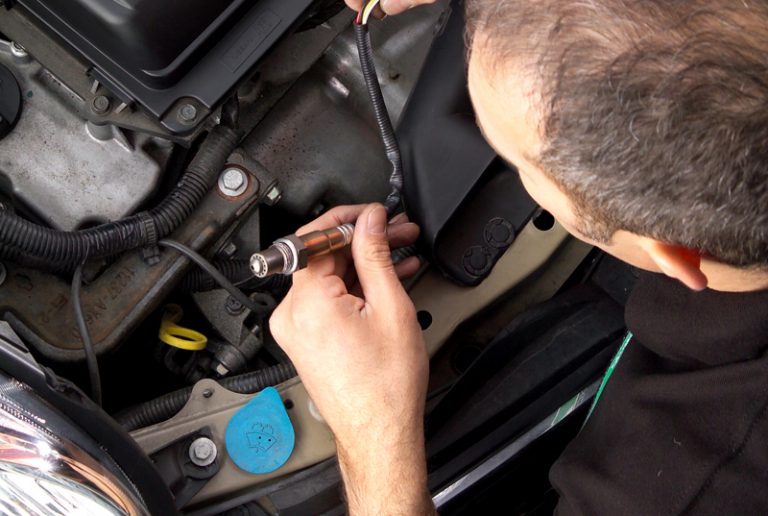
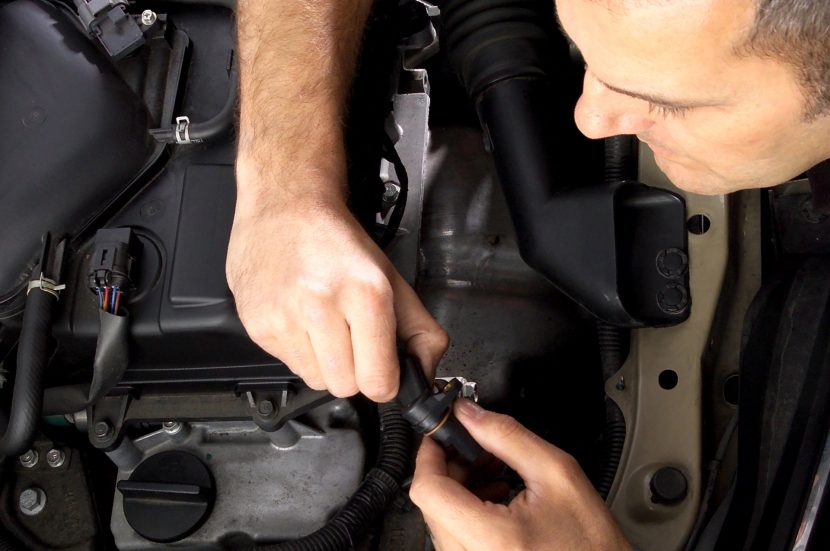
Carefully remove the old sensor.
STEP 3:
Oil the ‘O’ ring of the new sensor.
STEP 4:
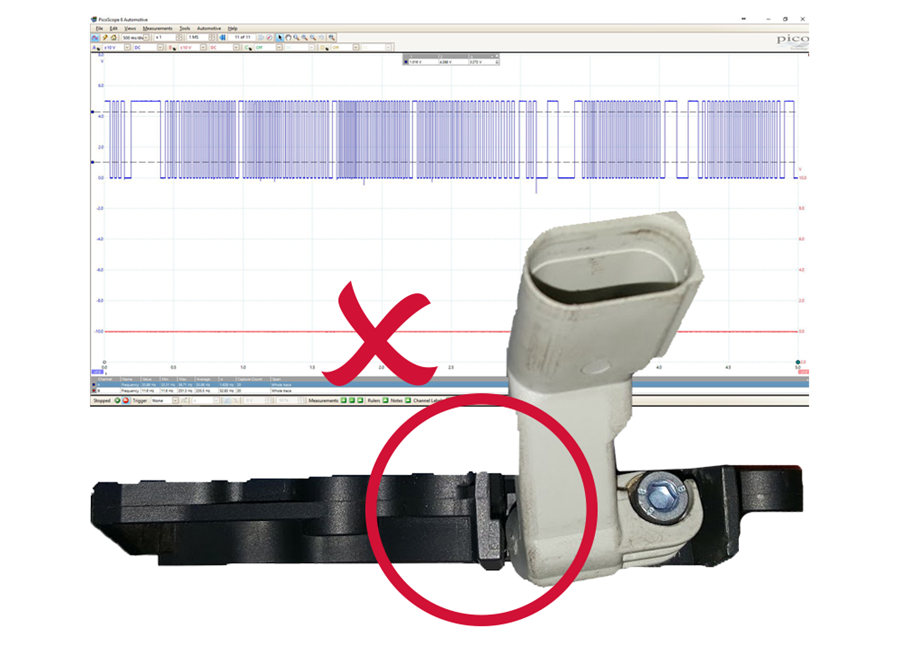
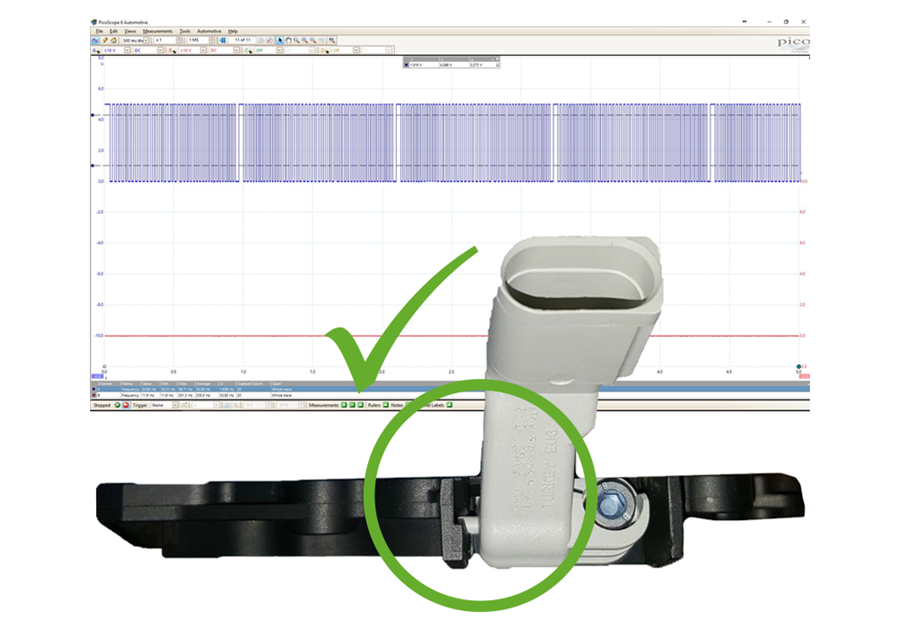
Correct positioning of the new sensor is critical. Camshaft sensors often feature slotted mounting holes and/or locating pins. Ensure that any locating pins are correctly seated before fully slotting into place. Failure to do so can shear off the locating pin causing misalignment of the sensor and incorrect readings.
Incorrect Fitting and Readings
Correct Fitting and Readings
STEP 5:
Reset the ECU.
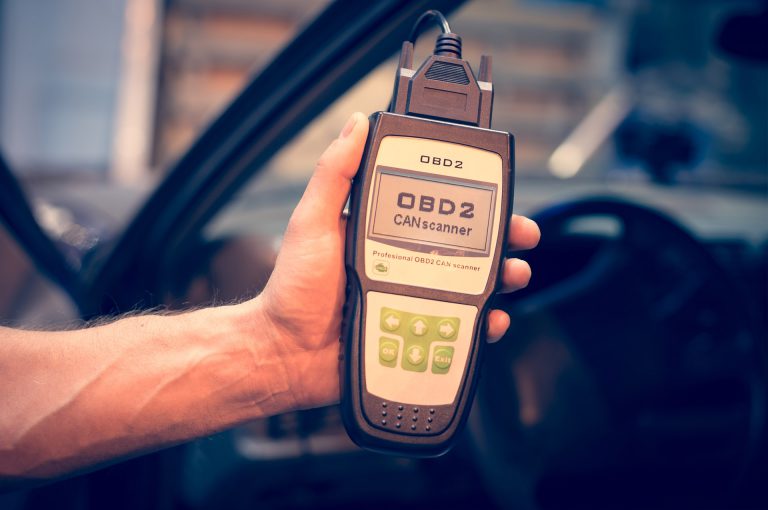
Firstly, reset the vehicle using diagnostic tools.
If the fault code persists, perform a manual reset according to the manufacturers instructions, commonly as follows:
Carry out 3 drive cycles:
1. Turn ignition on, turn ignition off
2. Turn ignition on, turn ignition off
3. Start the engine.
An extended road test, normally around 20 miles is then required to provide the ECU with enough data to allow the sensor to function correctly.